Give them a choice before the trip
A teenager is more likely to engage with a heritage visit when they help choose the focus. Offer a small set of real options and ask what they want to understand. Don't turn the outing into a surprise school assignment.
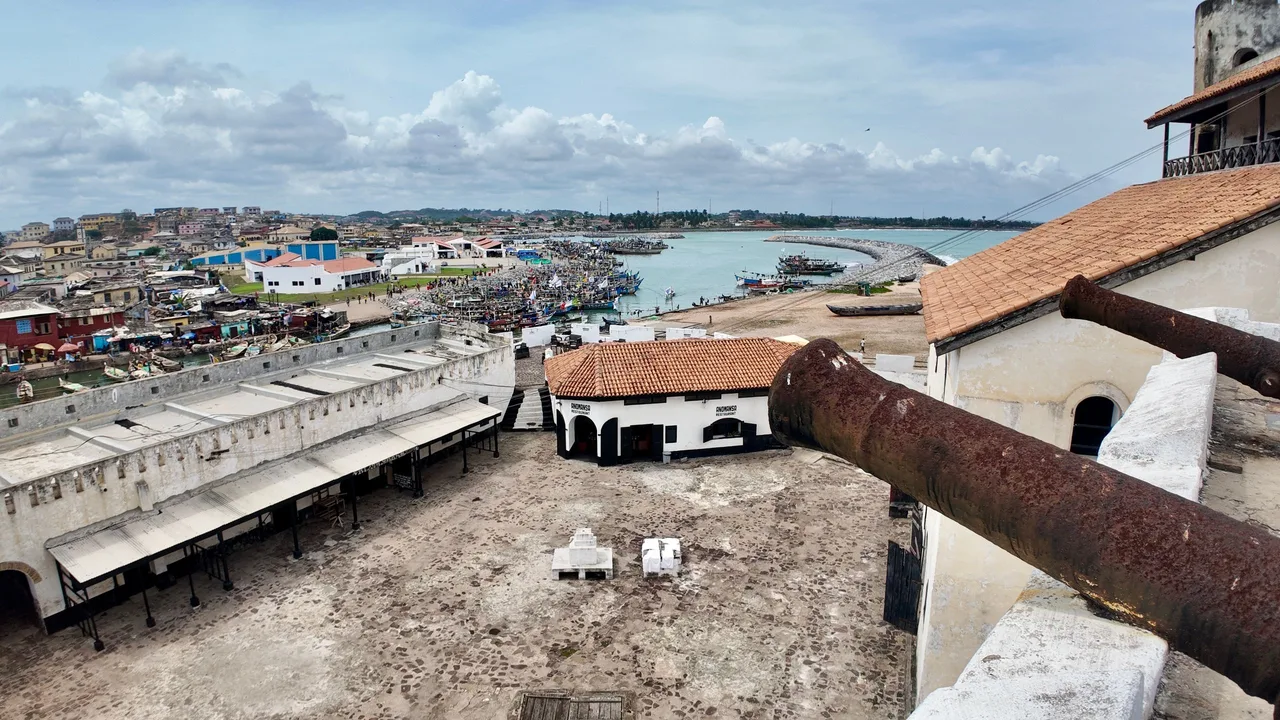
For a castle visit, discuss the subject of enslavement beforehand in language appropriate to the young person. Ask the site about the tour's content and any concerns you have.
Choose one question to follow
Let each person bring a question rather than a worksheet of facts. It might concern a building's changing use, whose accounts are presented or how the past is remembered. Give the guide time to answer.
Put phones away for parts that require attention, while allowing notes or permitted photographs when useful. The aim is participation, not proving who can memorise the most.
Leave room for different reactions
Plan a break after Cape Coast Castle or another difficult historical visit. Some teenagers may want to talk immediately; others may need time.
Avoid forcing a cheerful activity directly afterwards or demanding a particular emotional response. Ask what they found unclear or want to learn more about. That conversation can continue long after the tour has ended.