Why the north is a different trip
Northern Ghana is savannah, not forest. It is hotter, drier, flatter and poorer than the south, and the culture is distinct: different languages, different architecture, different food, and a history that runs through the trans-Saharan trade and the slave routes rather than the Atlantic forts.
Most visitors never get there, which is exactly why it is worth the effort. The north rewards people who are willing to travel slowly and be interested rather than entertained.
Tamale: the practical base
Tamale is the biggest city in the north and the place everything starts and ends. It has the airport, the buses, the banks and the hospitals, and it is worth a day of your time rather than a night.
The Central Market is the thing to see: it is huge, it is where the whole region trades, and the food section in particular is worth an hour. The city is also the best place in Ghana to eat northern food properly, which means rice and groundnut soup, tuo zaafi, and grilled guinea fowl. Ask where to go rather than picking a place off a map.
Mole National Park
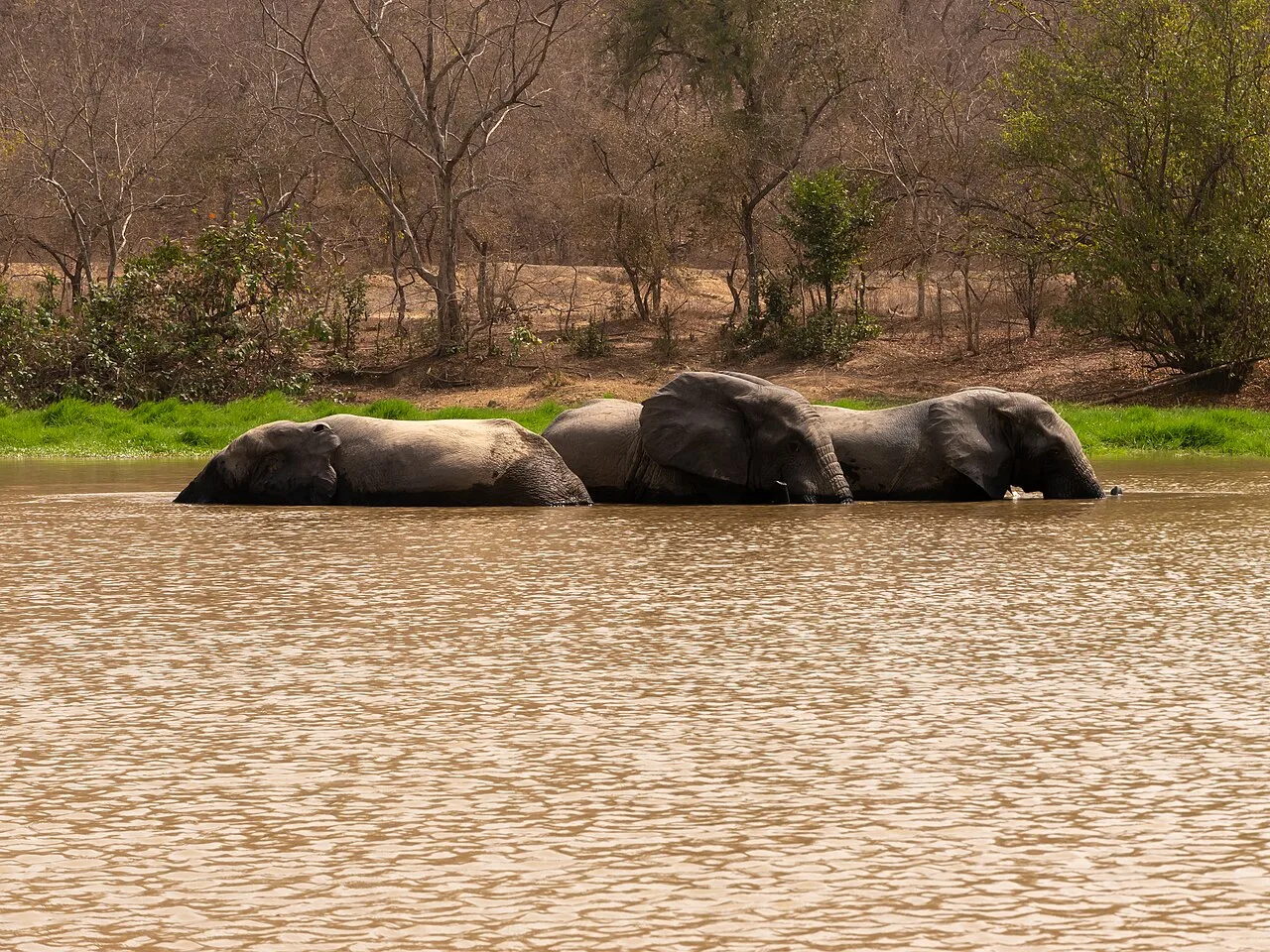
Mole is Ghana's biggest and best-known park, and the reason most people come north. It has elephants, and on a good day you will see them at the watering holes from the viewing platform at the motel, which sits on a ridge above two of them. That is unusual: in most parks you drive for hours and hope.
Beyond the elephants there are antelope, warthogs, baboons and a great many birds. Be realistic about what you will see. This is not the Serengeti and there are no lions. What it is, is a genuinely good walking safari: Mole is one of the few parks in West Africa where you can go on foot with an armed ranger, and walking within 50 metres of an elephant is a different thing from watching it from a vehicle.
- Walking safaris run in the morning with a ranger. Book the day before.
- The motel viewing platform overlooks two watering holes. Dawn and dusk are best.
- Take cash. There is no ATM at Mole.
Larabanga and the mud mosques
Larabanga is a small village a few kilometres from Mole with a Sudanese-style mud-and-thatch mosque that is one of the oldest in Ghana, and a sacred grove with a stone the local account says fell from the sky. It is a short stop and it is worth doing with a guide from the village rather than arriving unannounced.
Be careful how you behave here. Larabanga is a Muslim community and the mosque is a place of worship, not a monument. Ask before photographing, dress modestly, and take the guide that the village provides, because that is both the right thing to do and the way the money stays local.
The slave route at Salaga
Salaga, south-east of Tamale, was one of the biggest slave markets in West Africa and the terminus of the trade routes that ran north to the Sahara. The market site and the wells are still there, quiet and largely unmarked, and a local guide will walk you through what happened.
It is not a polished heritage site and it does not try to be. It is one of the more affecting places in the country and almost nobody goes. Pair it with a stop at Kpembe, or the Larabanga and Mognori villages closer to Mole.
Getting there and around
Tamale is about an hour by air from Accra and 9 to 12 hours by road. Fly if you can: the road is long and the last stretch into Tamale at night is not somewhere you want to be driving yourself.
From Tamale to Mole is about three hours on a road that has improved but is still not fast. A car and driver for the run, including the park, is the practical option and runs roughly GHS 800 to GHS 1,500 for the day depending on the vehicle. There are also daily buses. Once at Mole, the park runs its own vehicles for game drives, so you do not need to keep a car.
When to go, and what to watch
The dry season from November to March is the best time, because the vegetation thins and the animals concentrate at water. The harmattan in December and January brings dusty haze that cuts visibility but also the heat.
Take malaria seriously: it is a year-round risk in the north and you should be on prophylaxis and using repellent. Take cash, because ATMs outside Tamale are unreliable. And take the time, because the north does not work as a two-day dash from Accra.