Drinking water
Tap water in Ghana is not reliably safe to drink, so stick to bottled or sealed sachet water, called 'pure water', sold everywhere for a few pesewas. Sachets are widely used by locals and are fine if the seal is intact. Ice in upscale hotels and restaurants is usually made from treated water, but be more cautious with ice from street vendors.
- Carry a refillable bottle and buy larger bottles to cut plastic waste.
- If you must drink tap water, boil it or use a filter or purification tablets.
Street food is safe and excellent
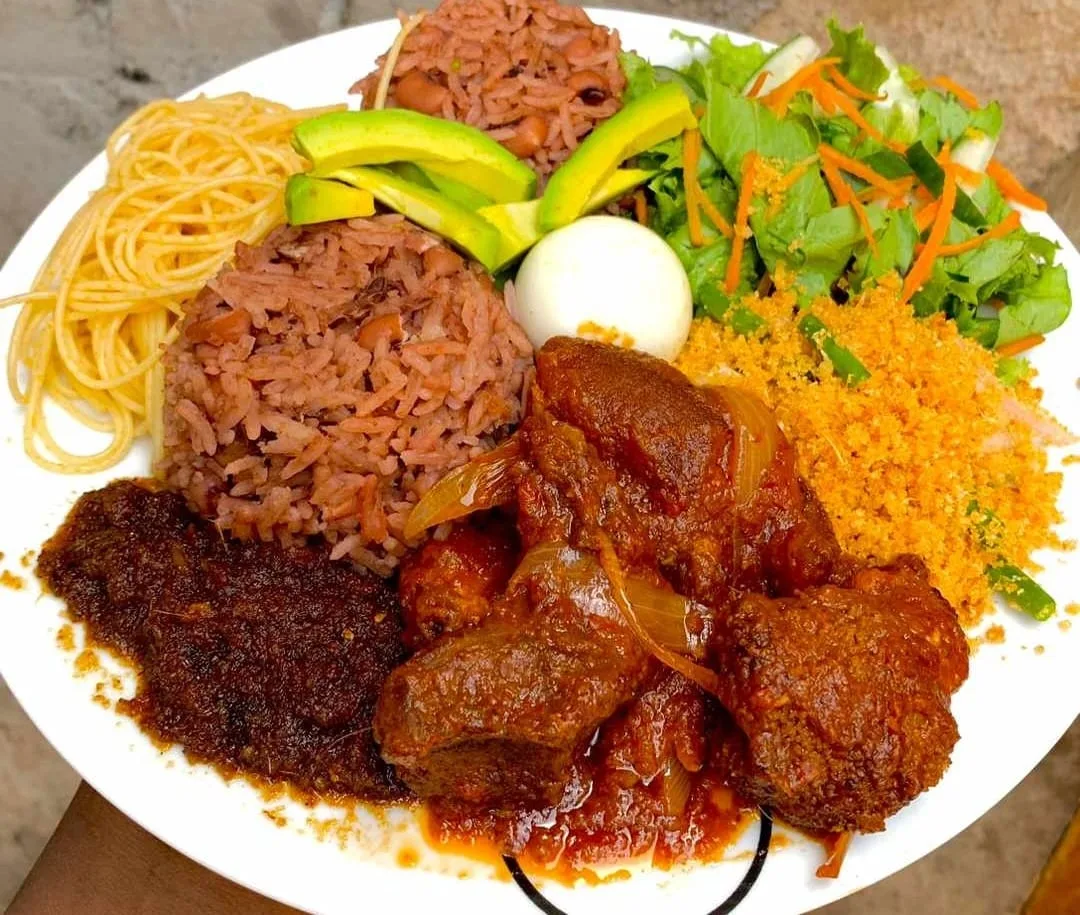
Street food is one of Ghana's great pleasures: waakye, kenkey with fish, jollof, kelewele, kebabs, banku with tilapia, fufu and light soup, fried yam with shito. Food cooked fresh and served hot is generally low risk. Be more careful with pre-cut fruit, salads, room-temperature sauces and anything that has been sitting out, peel fruit yourself or buy from a vendor who peels to order.
- Choose the busy stall with high turnover; fresh food moves fast.
- Carry hand sanitiser and use it before eating, since many dishes are eaten with the right hand.
- Vegetarians are well served by Ghanaian cooking, but ask whether a soup or stew was made with fish or meat stock.
Eating with your hands and local customs
Many Ghanaian meals are eaten with the right hand, and you wash your hands at the bowl or tap provided before and after. Eating from a communal bowl is normal in traditional settings, and you eat from your own section. If a spoon is offered, use it, and it is polite to accept at least a little of whatever a host offers.
- Ask for a spoon if you prefer one, nobody will be offended.
- Never eat or pass food with your left hand.
If your stomach rebels
Mild travellers' diarrhoea is common and usually settles within a few days with rehydration salts and rest. Pharmacies are plentiful in the cities and can advise on over-the-counter remedies, and oral rehydration sachets are cheap. Seek medical care if you have blood in your stool, a high fever, severe pain or symptoms lasting more than a few days, because Ghana has good private clinics in Accra and Kumasi.
- Pack oral rehydration sachets; avoid anti-diarrhoeals if you have a fever or blood in your stool.
- Note the address of the nearest private hospital when you check in to your accommodation.
Rules, fees and opening hours change. Confirm anything that matters before you rely on it.