The short version
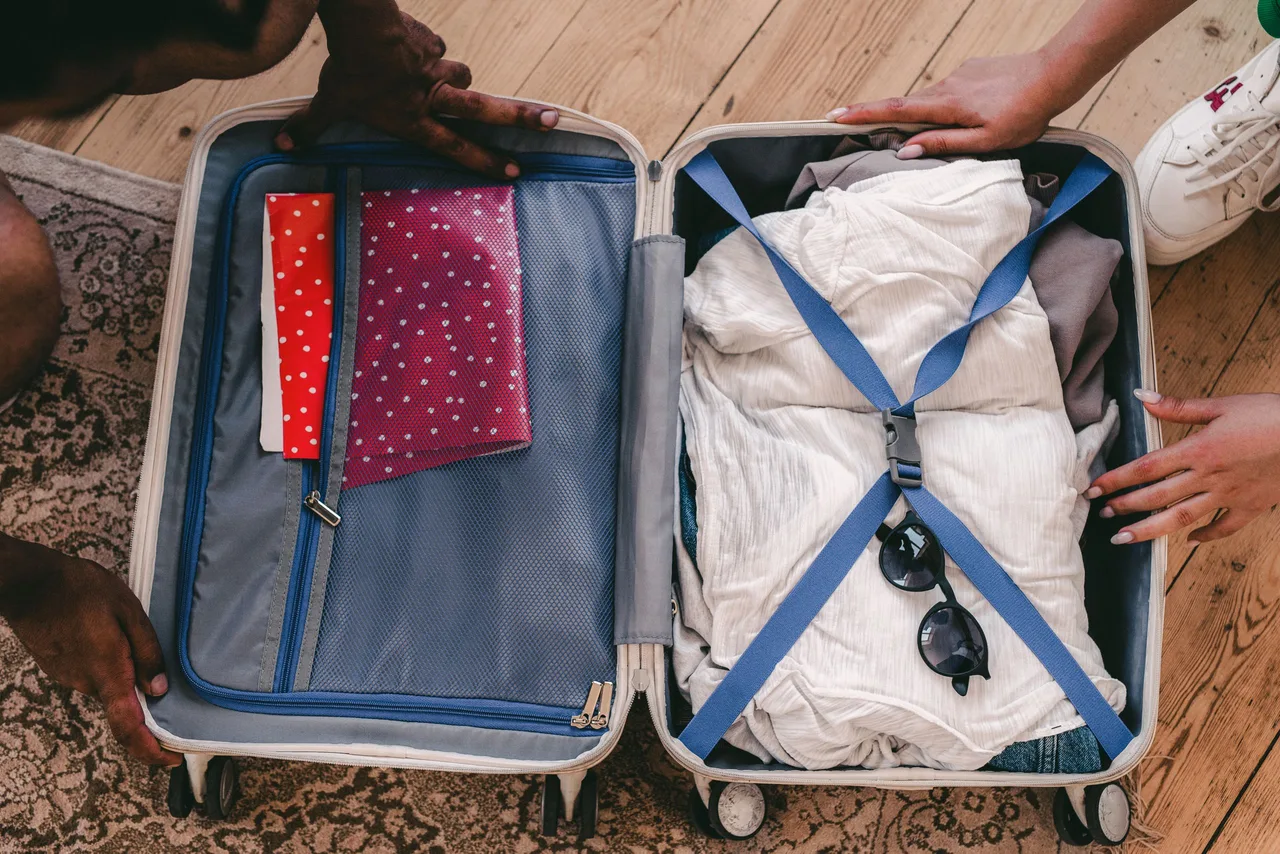
Pack for heat and humidity first: light, breathable, modest clothing that covers shoulders and knees, comfortable sandals or trainers, a hat, sunglasses and sunscreen. Add a light layer for air conditioning and for cool harmattan mornings, a compact umbrella or light rain jacket, mosquito repellent with DEET or picaridin, and a small medical kit. Leave space, because cloth, baskets and carvings are what people wish they had room for on the way home.
- Two or three outfits that wash and dry overnight beat a full suitcase, and laundry is widely available in the cities.
- Ghana uses the British three-pin plug at 230 volts, so bring an adaptor rather than a converter.
Heat, sun and the coast
Coastal Ghana is hot and humid most of the year, and the sun is strong even when the sky is hazy. Loose cotton and linen are more comfortable than anything technical, and a hat and sunglasses make the middle of the day bearable. Beachwear belongs at the beach or the pool rather than in town or at a market. The north in the dry season is considerably hotter than Accra, so plan for the same heat with less shade.
- Bring more sunscreen than you think you need; the imported brands are limited and expensive locally.
- A light long-sleeved shirt is cooler than a T-shirt in strong sun and doubles as mosquito protection after dusk.
Harmattan, roughly December to February
The harmattan is a dry, dusty wind from the Sahara that brings hazy skies, low humidity, cooler mornings and fine dust on everything. It dries out lips, skin and eyes, and it aggravates asthma and sinus problems. It also produces the best sunsets of the year and takes the edge off the coastal heat.
- Pack lip balm, moisturiser and eye drops, and a light dust mask if you have respiratory issues.
- Keep camera gear and electronics in sealed bags, and avoid changing lenses in the open.
The rains
Southern Ghana has a major rainy season from around April to July and a minor one from around September to November, with the heaviest downpours usually in May and June. The north has a single rainy season from roughly May to October. Rain arrives in intense bursts rather than all-day drizzle, and it floods low-lying parts of Accra quickly, so a waterproof bag matters more than a heavy coat.
- A compact umbrella or a light rain jacket is enough, and both are cheap to buy locally.
- Waterproof your bag or carry a dry bag for electronics if you are travelling during the rains.
Health and mosquitoes
Malaria is a risk year-round with peaks in the rainy seasons, so the packing list includes prophylaxis from a travel clinic, repellent, and long sleeves after dusk. A small kit covers most of what actually happens on a trip: rehydration salts, painkillers, antihistamine, antiseptic, blister plasters and any prescription medicine in its original packaging with a doctor's letter.
- Book the travel clinic appointment four to six weeks before you fly so multi-dose vaccines can be completed.
- Pharmacies marked with a green cross are everywhere in the cities and can handle minor problems.
Sacred spaces and occasions
Ghana is modest by default and dressy for occasions. Cover shoulders and knees at shrines, mosques and churches, remove shoes where it is asked, and dress smart rather than casual for church, durbars and funerals. Black and red are mourning colours in much of southern Ghana, and families may ask guests to wear a particular cloth.
- Keep a wrap or scarf in your bag so you can cover shoulders or head at short notice.
- Buying a local print cloth solves two problems: you dress appropriately for an event and you go home with something worth having.
What you can leave at home
Do not fill a case with things that are easy to buy here. Sachet and bottled water, umbrellas, phone credit, adaptors and everyday toiletries are all available in Accra and Kumasi, usually for less than at home. Heavy jackets, formal shoes you will not wear and a second laptop are weight you will carry for nothing.
- Bring a power bank, because power cuts still happen and a charged phone is how you call a car or pay.
- Registering a local SIM needs your passport, and an eSIM avoids the queue entirely.
Rules, fees and opening hours change. Confirm anything that matters before you rely on it.